TriNetX
2024 - present | ux/ui design
As a Junior UX/UI Designer, I collaborate closely with product managers, engineering, other stakeholders, and the rest of the design team. My work at TriNetX centers on understanding user needs and business goals and translating them into effective design solutions on our platform. I regularly communicate with stakeholders across varying levels of design and technical fluency to ensure smooth cross-functional collaboration, advocating for the user every step of the way.
I'm currently leading an initiative focused on improving user onboarding and introducing product tours. Without direct oversight, I build product tours, then identify and resolve usability issues within them. I collaborate with engineering, product, and support teams, writing clear and actionable tickets and triaging QA feedback. I also got the opportunity to train senior team members on implementation and process best practices. This project has provided me with a valuable opportunity to develop my leadership and independent problem solving skills, as well as how to seek out resources and answers on my own to push progress forward.
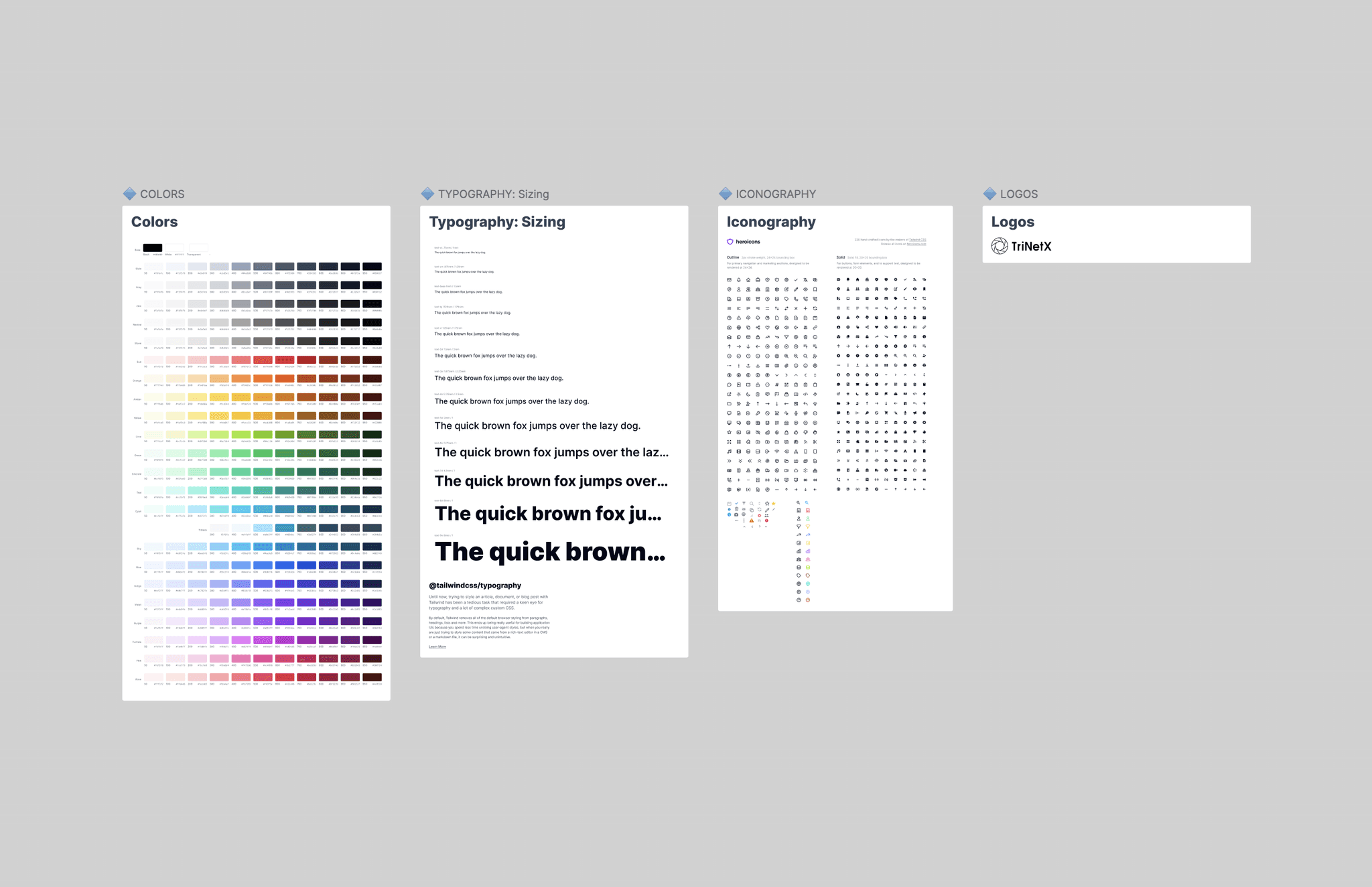
Below is an example of an ongoing initiative that I am part of: our design component library. Due to privacy concerns, much of the information in the following screens has been redacted.
design library
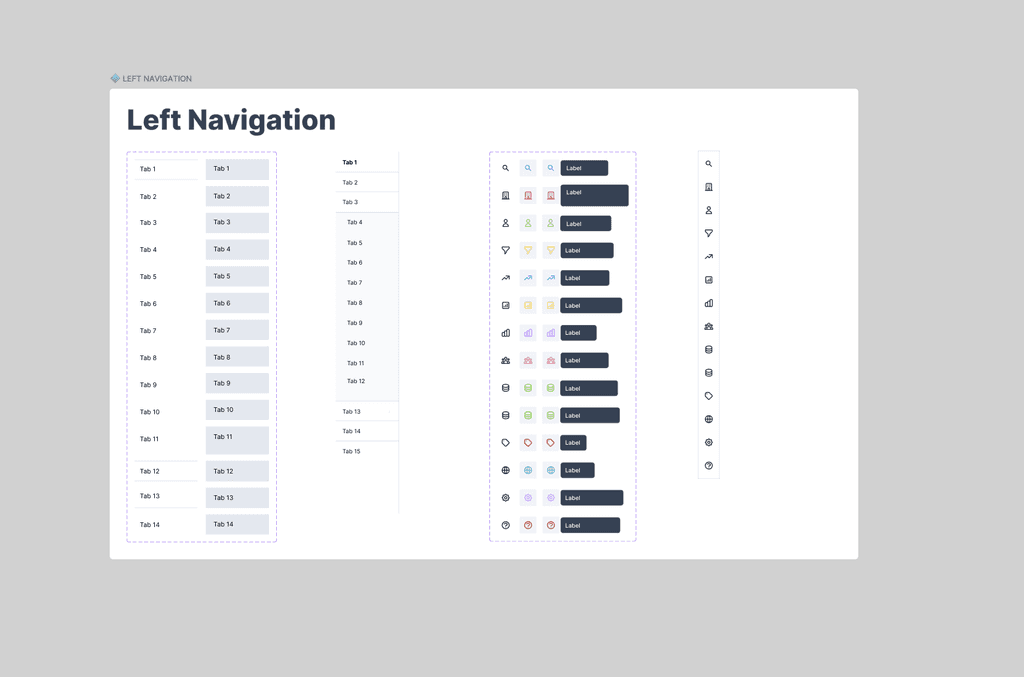
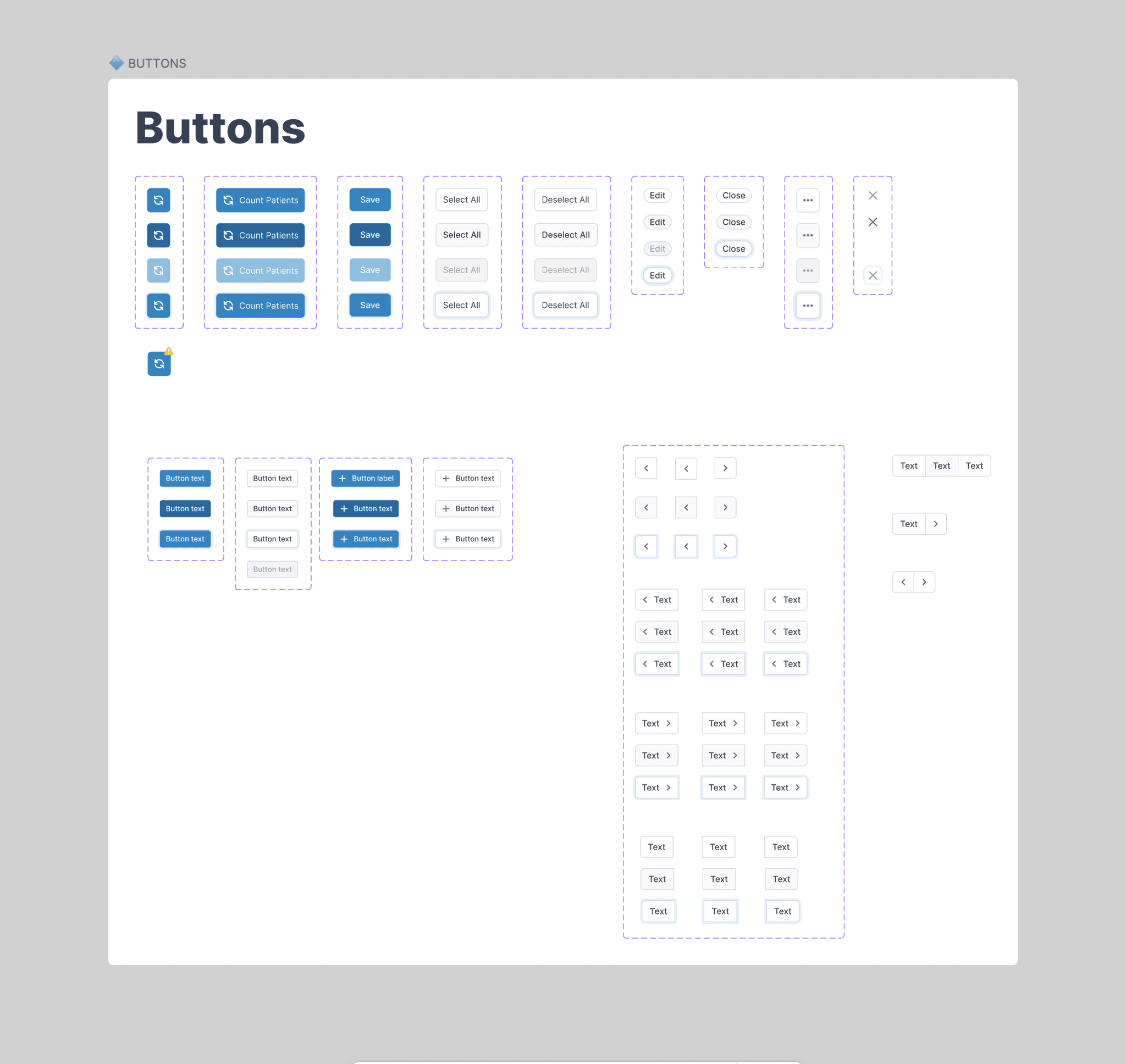
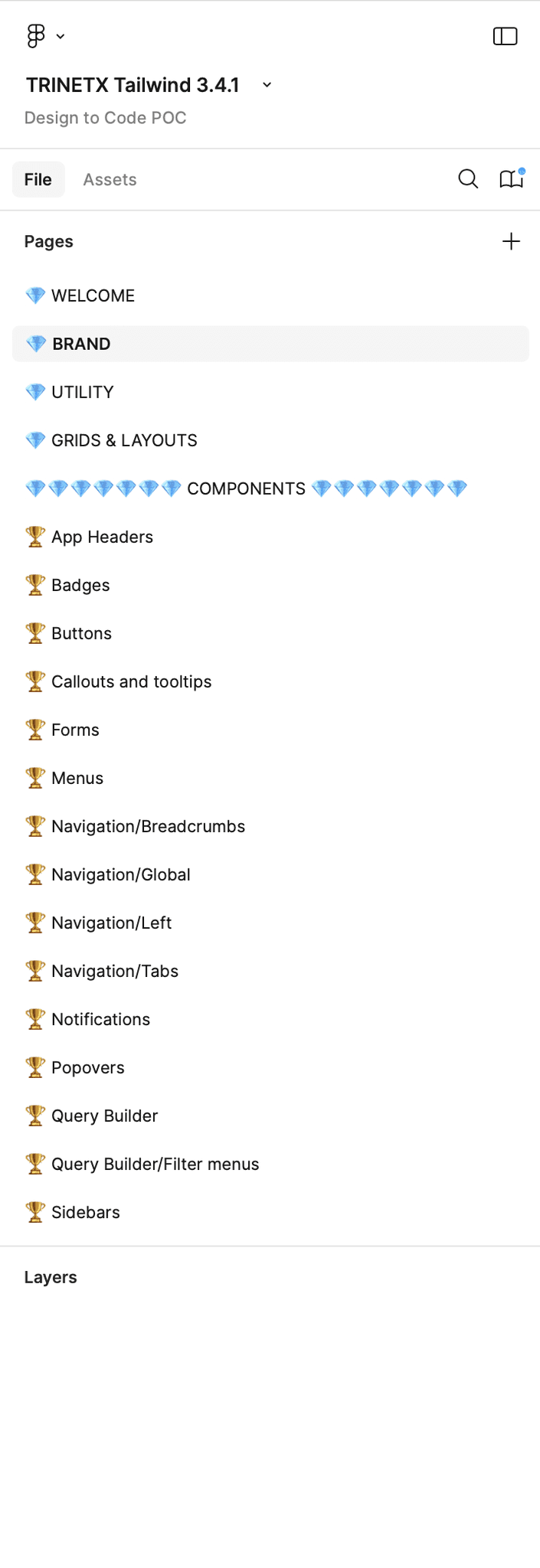
Until now, TriNetX did not have a comprehensive set of all of their design elements, which can lead to inconsistencies in visuals throughout our product(s), weaker branding, and more work for engineers. Using Figma, I recreated all of our platform’s existing components, updated their styles to our new css framework, Tailwind, and organized them to be available for all future design and development work. Now, all design projects can begin in the library, which provides the building blocks for any UI, and if we need to make any changes, we can do so with just a few clicks since all the components will be linked together throughout all our Figma files. By compiling all of our components in one place, we save time for both designers and developers and create a more cohesive and professional TriNetX platform.
The design library also allows us to create more realistic, interactive prototypes: Once it’s fully built out, Figma can pull from our new design system to show the many different states of a component (hover, focus, on/off, animations, etc.). Without this functionality, designers would have to make a lot more screens and even then the prototype would be much less realistic and function less similarly to the real platform. More realistic prototypes will help us to better gauge the effectiveness of our designs during user testing and build stronger products.
The early stages of our design library are shown below.