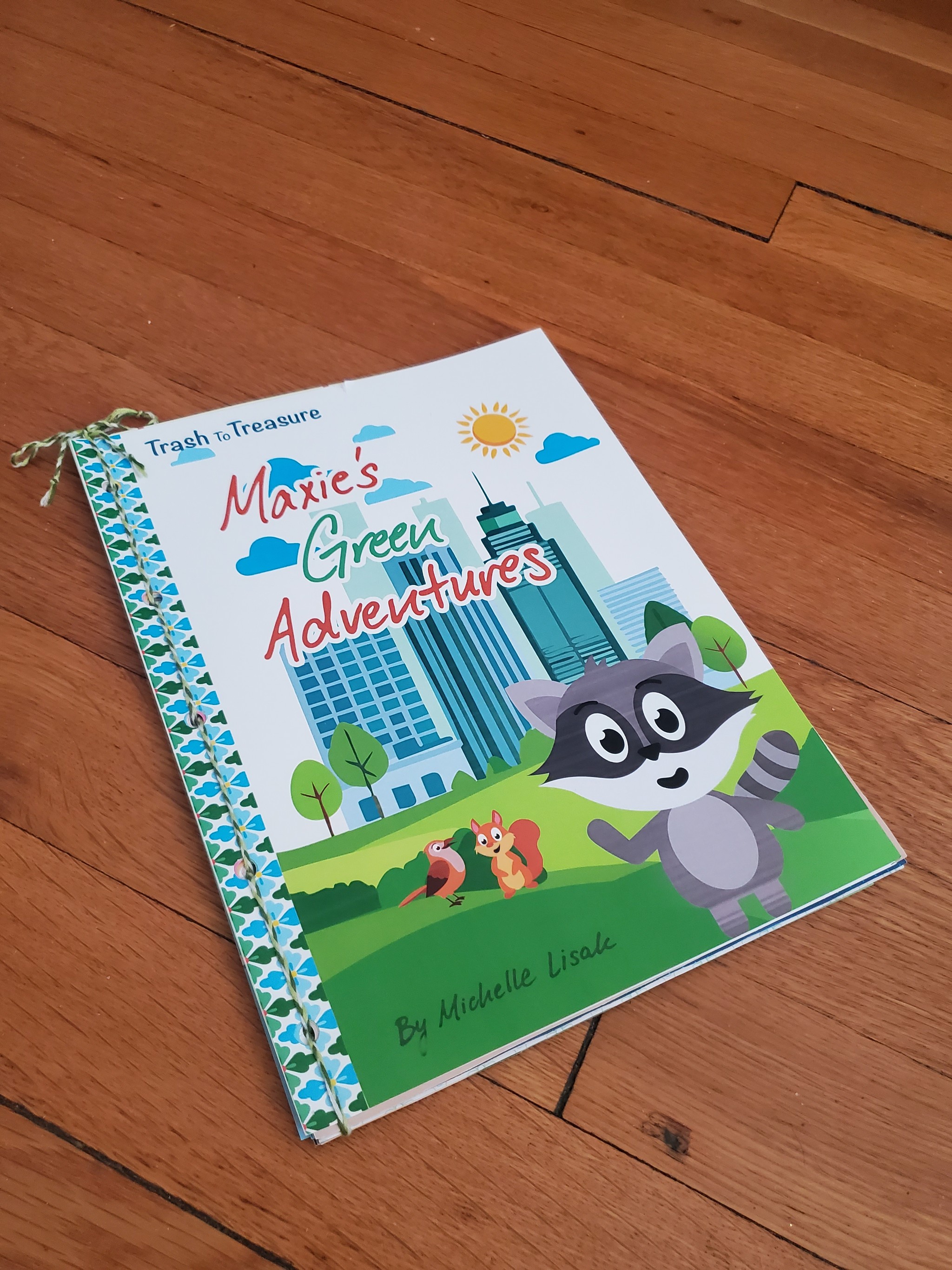
Trash to Treasure
2025 | ux design, illustration, 3D printing
packaging design, end to end project direction
project goal
To educate children on environmentally conscious behavior and help them develop responsible consumer habits and environmental awareness early on. As a generation that will be inheriting an already damaged earth, it is important that they do not make the same mistakes their parents and grandparents did. In turn, their education could benefit their older family members, who might not know or understand the environmental consequences of certain actions.
context
Environmental health is a pressing issue that affects all of humanity, present and future. However, different generations care about sustainable actions in varying amounts, with the younger ones often caring more - understandably, since they are the ones inheriting the planet. If sustainable habits are developed at an early age, it is easier to maintain them throughout the rest of their lives and educate other people. Kids might not feel like they have a lot of power to make change, but starting early and small can lead to lifelong green habits, easily incorporated into daily routine. From buying used, to toy and clothing swaps with friends, to recycling, and turning off water and lights when they’re unused, kids can take small actions to care for the environment.
process
This project began with a broad ambition: I wanted to inspire sustainable habits through design. However, without clear parameters and with the lofty goal of making something that would create realistic effects, I quickly became overwhelmed by the sheer number of directions I could take. After early exploration, market research — including studying initiatives like Games for Change, Daybreak, and Plastic Pipeline — I landed on creating fun, tactile, and educational content for kids.
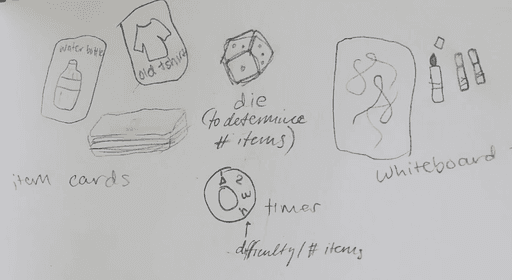
I started with lo-fi sketches of all my ideas to allow them to develop with time and research. I presented my work to my classmates and instructor weekly for critique, considering and applying their insights. They always offered fresh perspectives that I didn't see myself, so I was excited to hear what they had to say. Since my project is meant to educate, it should be effective on a young adult audience as well, not just children; thus, these group critiques were essential.
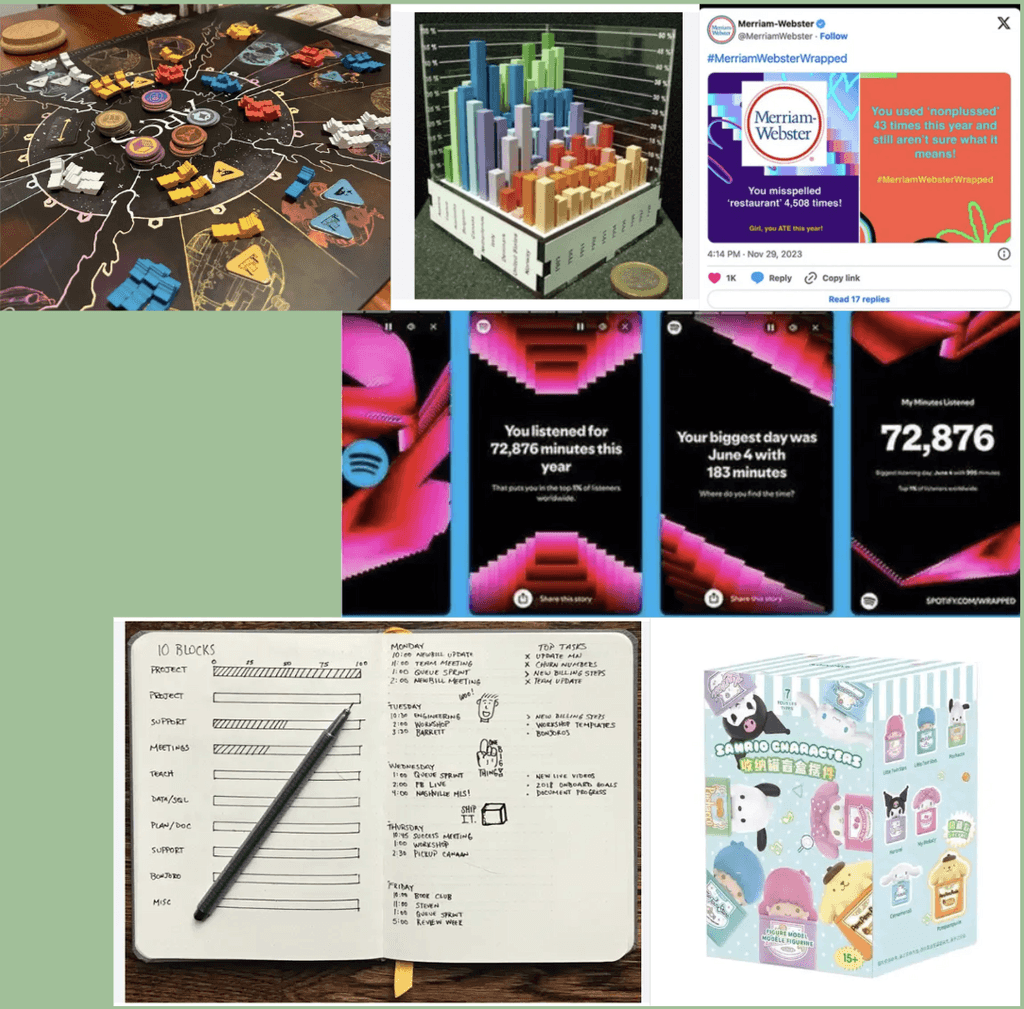
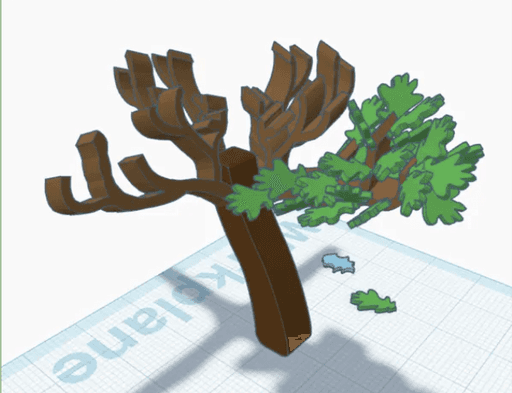
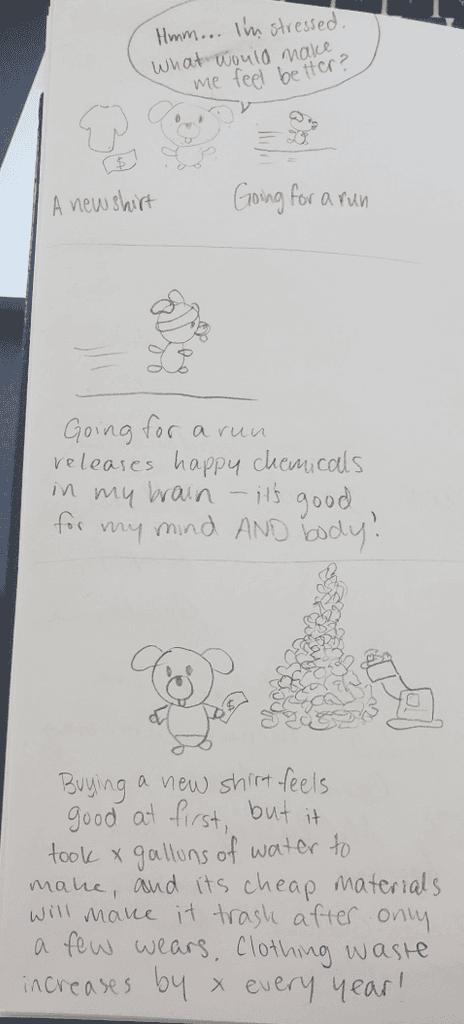
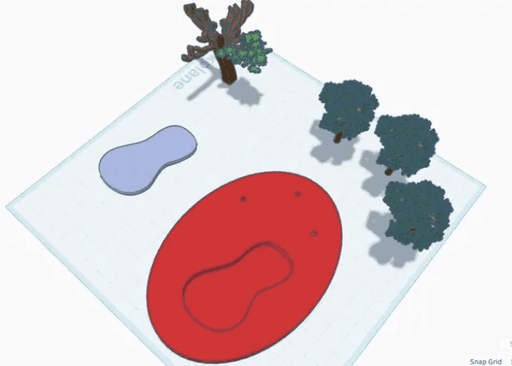
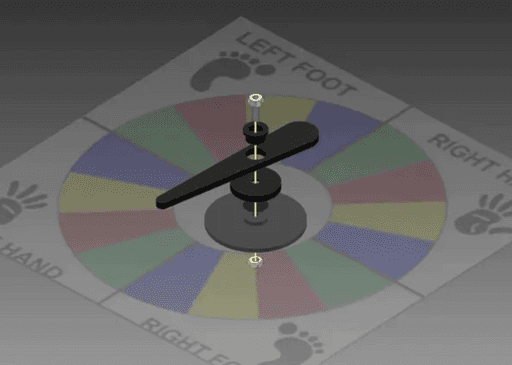
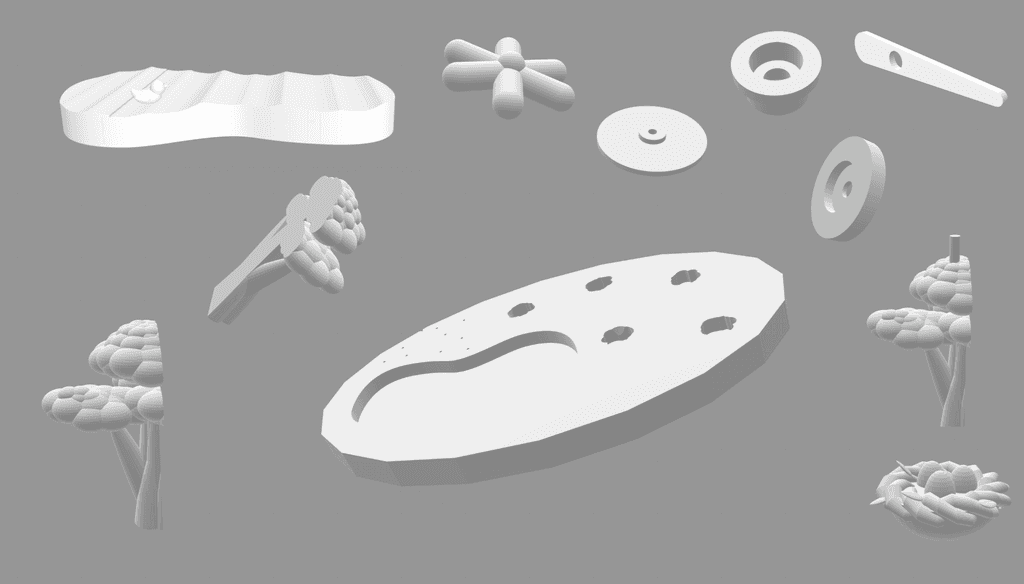
Below are some images of my inspiration and sketches from the ideation phase, as well as preliminary 3D printing designs.
what i learned
The importance of concrete goals and research at the start
Make prototypes early and often and don't be too attached to them
User testing is non-negotiable
I refined technical skills in 3D printing, handcrafting, and visual storytelling
Mentorship and structured timelines are key to overcoming project plateaus
Games about sustainability do exist, but they sadly lack visibility
🙂
🙂
🙂
solution
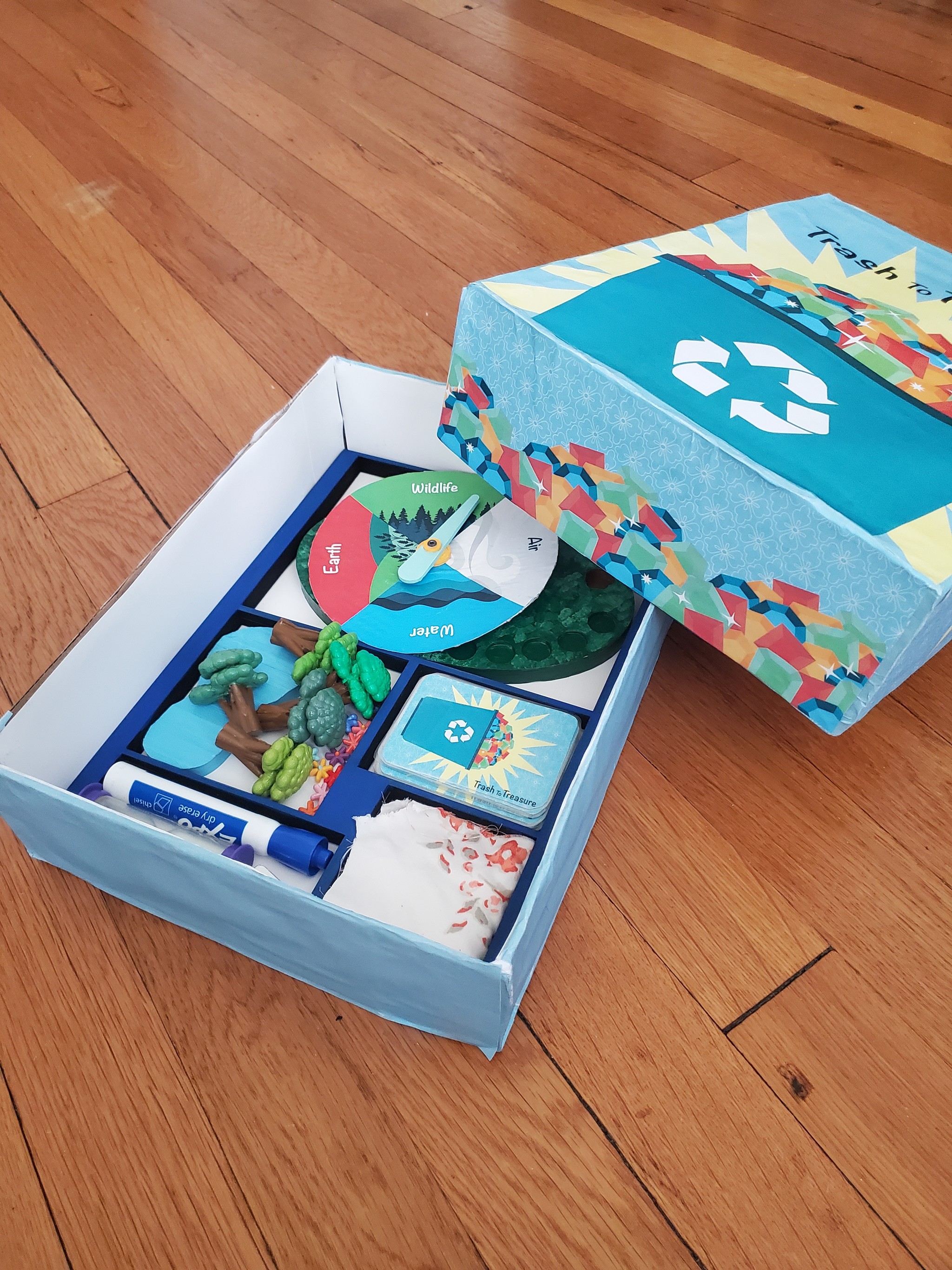
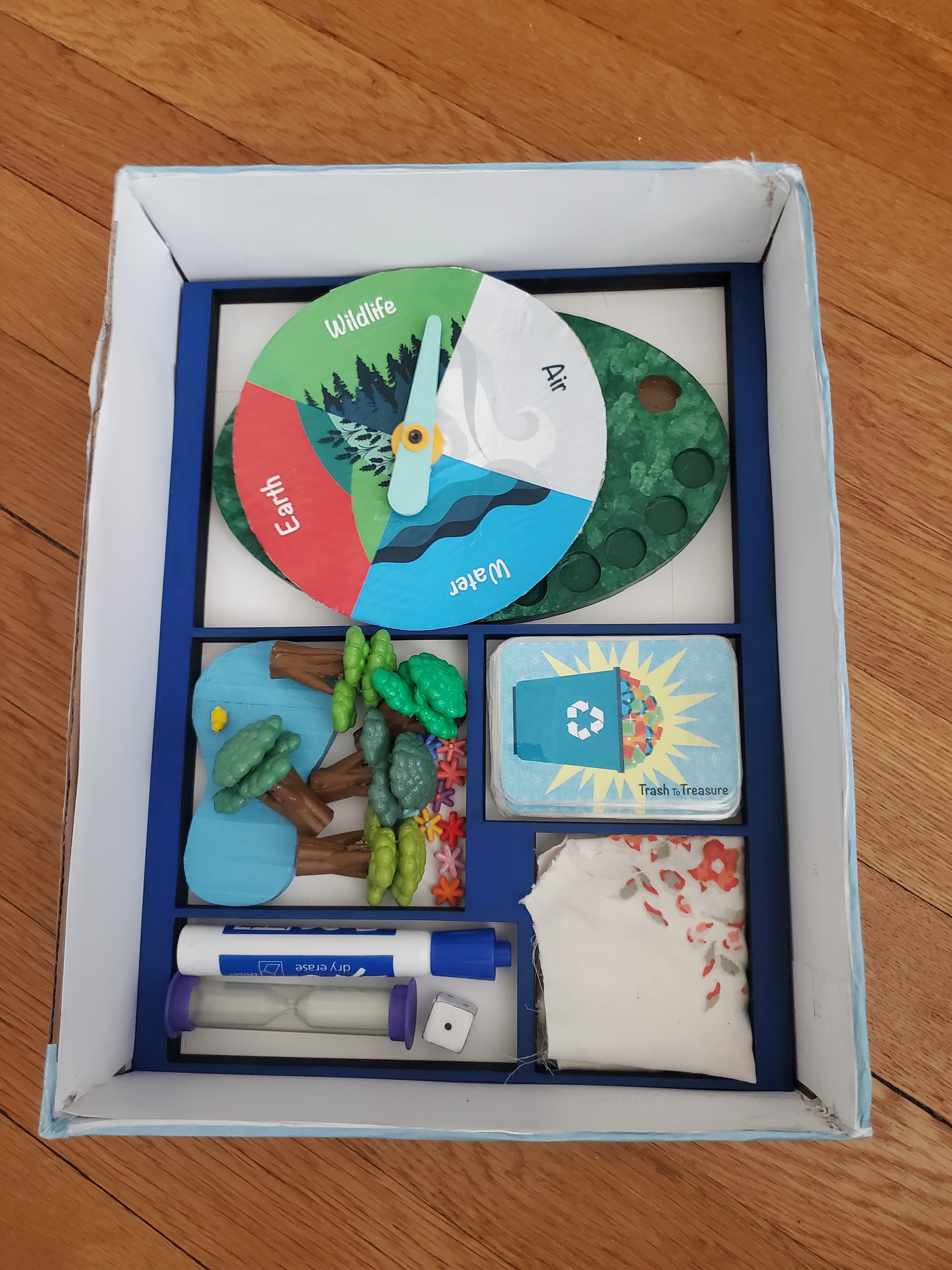
Trash to Treasure is a 3-part interactive experience consisting of:
A choose-your-own-adventure illustrated book that follows a lovable character through lifestyle choices and their environmental consequences. It puts the issues into simple and digestible terms with a tone that can be included in school programs
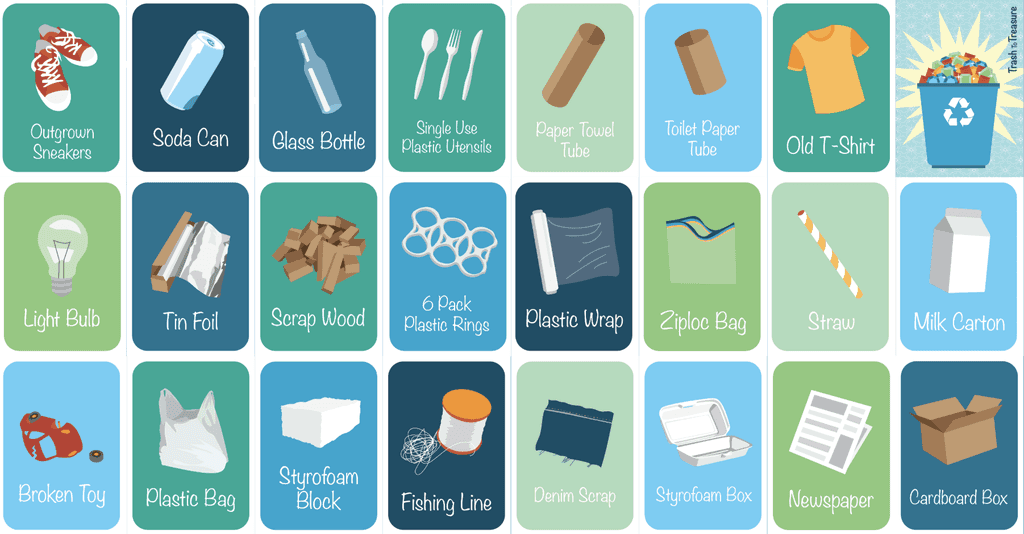
A board game that develops creativity and fosters the idea of making the most use out of your possessions as possible, rather than over-shopping and creating unnecessary waste
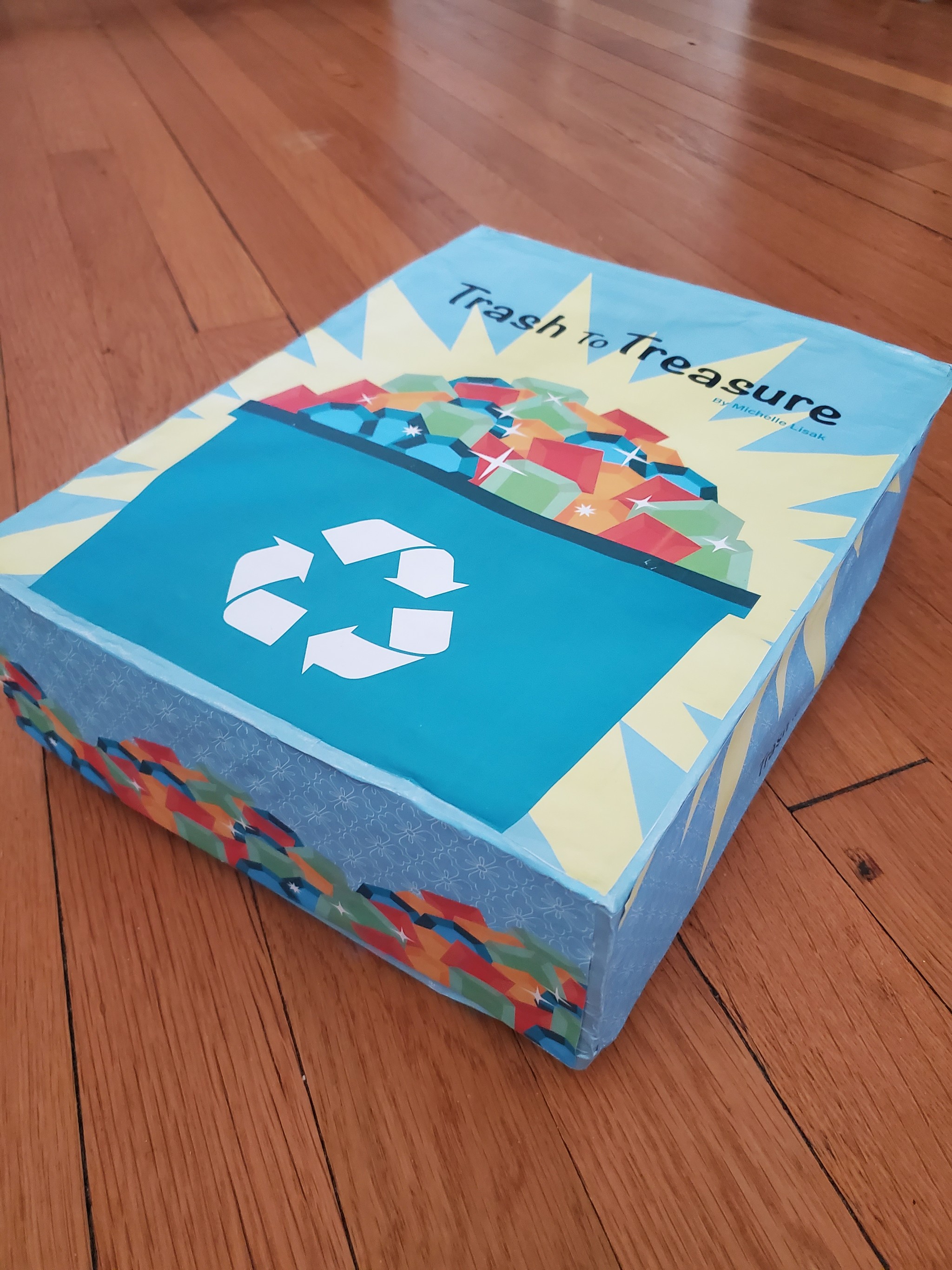
Custom-designed packaging for the products to unify the experience
user testing
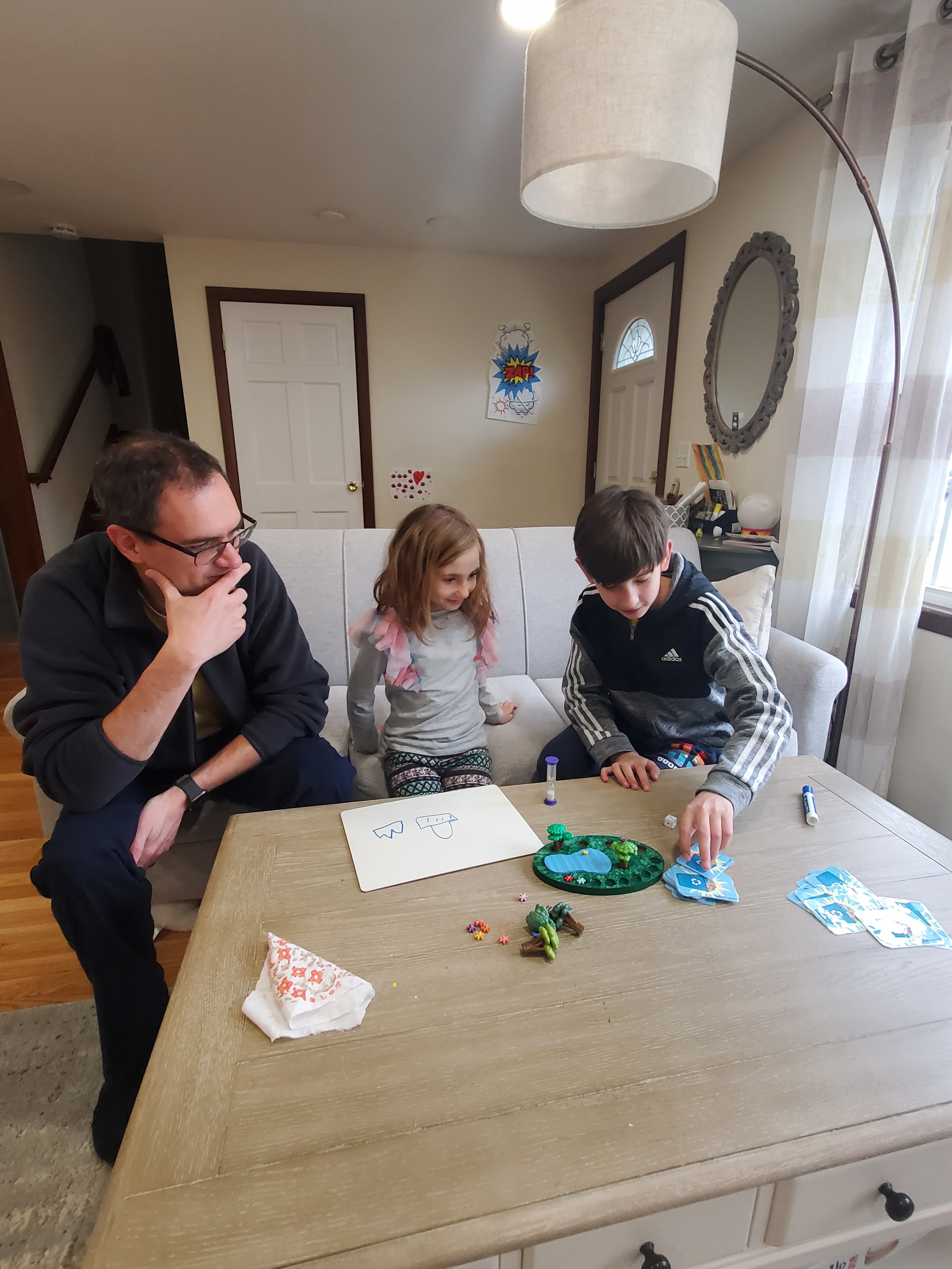
In addition to in-class critique, I conducted testing sessions with children in my neighborhood, observing their reactions and gathering feedback to refine the gameplay. I was pleasantly surprised to find that the kids already had some baseline knowledge of sustainability from school and home. The fun, tactile elements greatly increased engagement and excitement, and the kids happily suggested some improvements, but were for the most part pleased with the experience. The written instructions received more attention from the adults than the kids, so I noted that language should be simplified to pair nicely with the existing visuals on the instructions.
next steps
If I were to refine this project and put it on the market, I would:
Add even more tactile elements and interactivity to the book to increase engagement
Use professional printing and materials for a polished finish
Expand the card set to include more items for even more creativity
Add more child-friendly text revisions
Create marketing elements: testimonials, realistic packaging design, and even gameplay videos/interviews with kids